-
Home
- Blog
- The noticeable smell of fear of the dentist
Dentists can smell a patient's fear, which increases the likelihood of making mistakes.
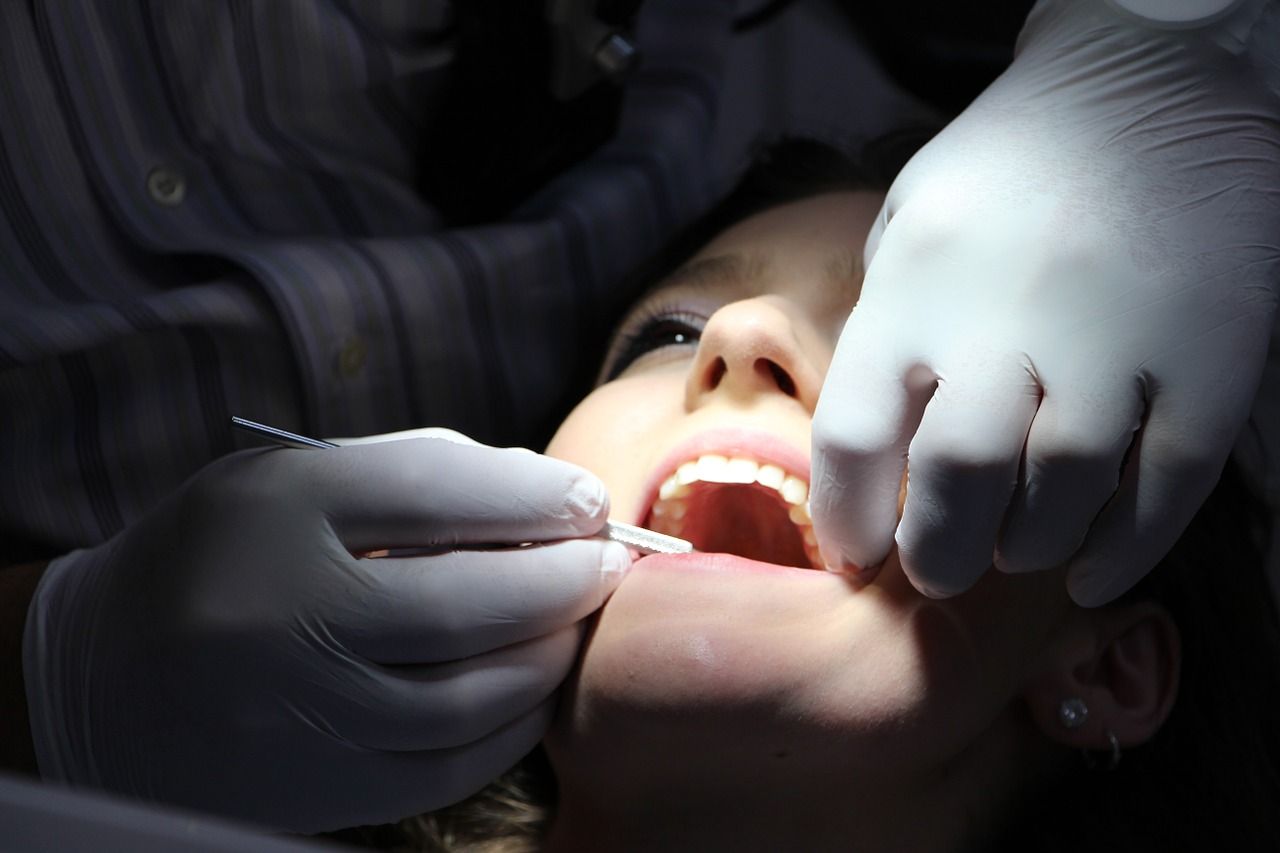
Stay calm at the dentist. A study conducted among dental students at the Scuola Internazionale Superiore di Studi Avanzati (SISSA) in Trieste found that dentists can sense a patient's anxiety. This makes them more likely to make mistakes.
This discovery is the first evidence that chemical signals hidden in the odors our bodies emit reveal emotions and influence the behavior of those around us.
Our body odors influence others
A number of previous experiments have shown that the body odors of people experiencing certain emotions—primarily negative ones like disgust, fear, or anxiety—can influence how our environment perceives us. To test whether body odor could signal someone's anxiety in a more realistic setting, Valentina Parma's team turned to dental students, as they encounter many anxious patients. Twenty-four volunteers each submitted two T-shirts for testing—one worn during a stressful exam, the other during a calm lecture.
The T-shirts were coated with a compound that masked body odor, preventing conscious detection. They were then given to another group of 24 students. They were unable to distinguish between the T-shirts worn during stressful and calm activities. Next, the T-shirts were placed on mannequins on which the students were to perform procedures. The activities were assessed by examiners.
The smell of fear can lead to mistakes
It turned out that dentists performed significantly worse when their artificial patients wore T-shirts worn during a stressful exam. A common mistake was the risk of damaging an adjacent tooth. The study's author believes that the smell of anxiety triggers the same sensation in people who subconsciously perceive it.
"It's truly fascinating. This will help us understand how we can communicate without language, " Parma emphasizes. The described phenomenon may also apply to other situations; for example, doctors in other specialties can sense their patients' fear, and sitting near a nervous person during an exam can affect the grade received.
It is not yet known whether educated and experienced dentists react similarly to their younger colleagues just starting their careers. Therefore, further research is planned.
Use left/right arrows to navigate the slideshow or swipe left/right if using a mobile device