-
Home
- Blog
- The calming scent of lavender again
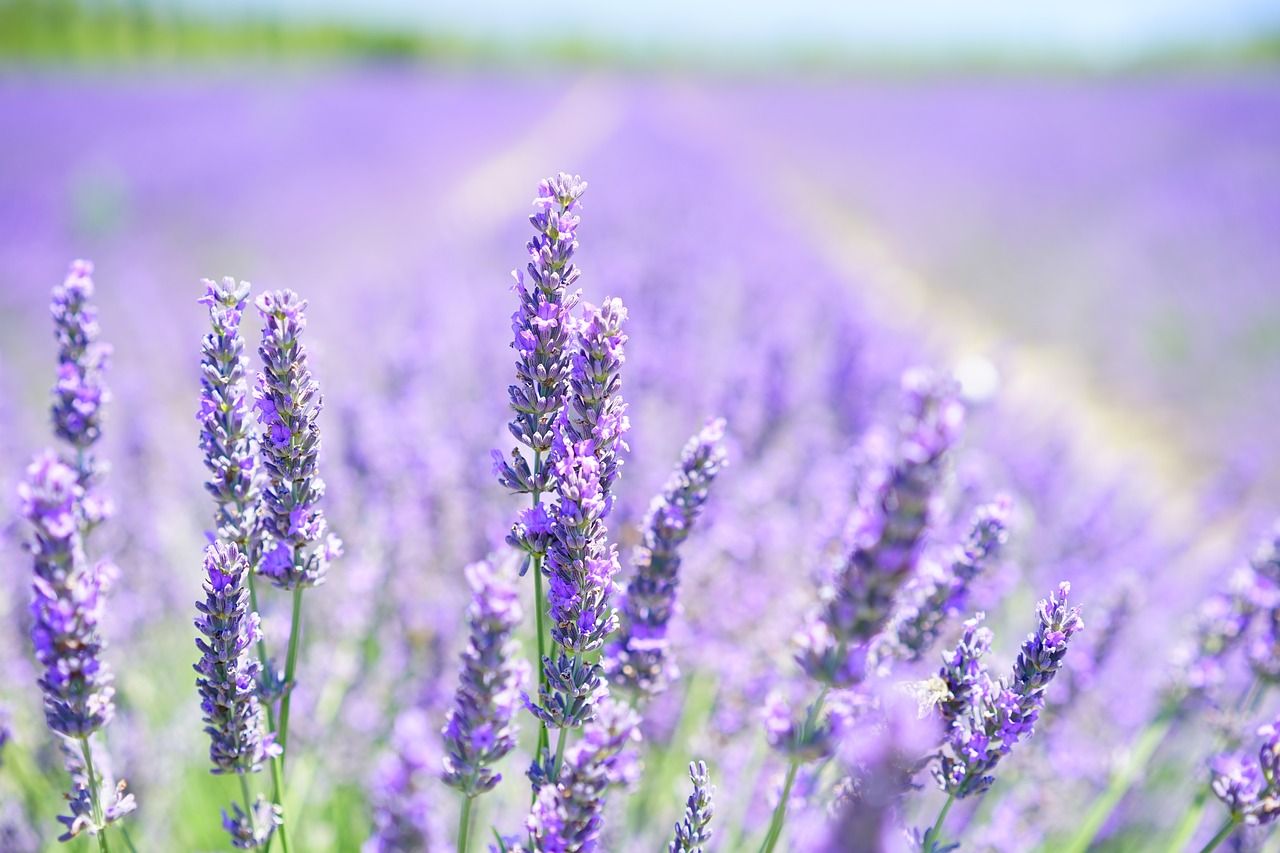
Lavender's calming effect is possible when one of the essential oil's components, linalool, is activated. It turns out that this doesn't have to happen through the bloodstream. The nose and sense of smell are sufficient.
Folk medicine has long emphasized the healing properties of plants. One wisdom holds that
aromatic compounds derived from plant extracts can alleviate anxiety . Contemporary medicine still underestimates these forms of help, even though they are a necessary alternative to anti-anxiety medications like benzodiazepines.
Linalool has been the subject of research by many scientists. Many assumed that, through absorption into the bloodstream from the respiratory tract, linalool might directly affect brain receptors, such as GABA type A, which benzodiazepines also bind to. Dr. Hideki Kashiwadani of Kagoshima University wanted to determine whether sedation had anything to do with the smell of linalool. He focused on
stimulating olfactory receptor neurons in the nose .
The doctor's team observed the behavior of mice exposed to a volatile form of linalool. They found that
the smell of linalool had a calming effect on healthy mice—they lost their fear . The drug didn't impair their movements, as happens with benzodiazepines and linalool injections—an effect similar to alcohol consumption. Rodents with damaged olfactory neurons continued to experience anxiety. They also found that in normal mice, the anti-anxiety effect disappeared if they were previously given flumazenil, a drug that binds to receptors.
Kashiwadani concludes:
"The results suggest that linalool does not act directly on GA BAA receptors like benzodiazepines. However, to produce a relaxing effect, it must activate them via olfactory neurons in the nose ."
Interestingly, relaxation was observed in mice fed linalool. The researcher believes this may be due to the odor emanating from their exhaled air.
Use left/right arrows to navigate the slideshow or swipe left/right if using a mobile device